Commercial Parking Lot
Sealcoating in Pensacola
Protect. Restore. Extend Pavement Life.
CasTech provides commercial asphalt parking lot sealcoating in Pensacola, Northwest Florida, and South Alabama. Spray seal and slurry seal systems help protect asphalt from oxidation, water, UV exposure, oil, and surface wear.
Open pavement cracks are typically addressed with crack sealing before sealcoating, and parking lot striping can restore clear markings after the surface is ready. See a real Pensacola sealcoating project or read when to choose crack sealing, sealcoating, or both.
Visit:
5800 N. Palafox Street, Pensacola, FL 32503
Call:
Why CasTech?
21+ Years of Experience
Licensed & Insured
Multi-State Service
Trusted By Government
OSHA Compliant
Veteran Founded
Spray Seal or Slurry Seal?
Both protect asphalt. The right choice depends on your pavement’s condition, traffic, and your goals.
Spray Seal
Cost-effective Protection & Refresh.
Watch Spray Seal in Action
A liquid-applied sealcoat that penetrates and protects asphalt, restores a rich black finish, and defends against UV rays, water, oil, and surface wear.
Cost-effective for routine maintenance
Refreshes appearance with a smooth, black finish
Ideal for low to moderate traffic areas
Best for relatively new or well-maintained asphalt
Slurry Seal
Stronger protection & longer lasting.
Watch Slurry Seal in Action
A mixture of emulsion, sand, and water that creates a thicker protective layer; ideal for high-traffic areas and asphalt with minor surface imperfections.
Most durable and resistant to heavy traffic
Fills minor surface imperfections
Helps extend pavement service life by slowing surface wear
Ideal for heavy-traffic parking lots and aging asphalt
Compare At A Glance
| FEATURE | SPRAY SEAL | SLURRY SEAL |
|---|---|---|
| BEST FOR: | Relatively new, well-maintained asphalt | Aging asphalt, high-traffic areas. |
| FINISH: | Smooth, rich black finish | Textured, non-skid, black finish |
| DURABILITY: | Moderate | High |
| TYPICAL LIFESPAN: | 1 – 3 years | 3 – 7 years |
| TRAFFIC CONDITIONS: | Light to moderate | Moderate to heavy |
| COST PROFILE: | Lower upfront cost | Higher upfront cost |
| OVERALL VALUE: | Great for regular maintenance & appearance upkeep | Best for long-term asphalt protection & performance |

CasTech is a proud distributor and applicator of Star Seal products.

Engineered to the
Highest Standards.
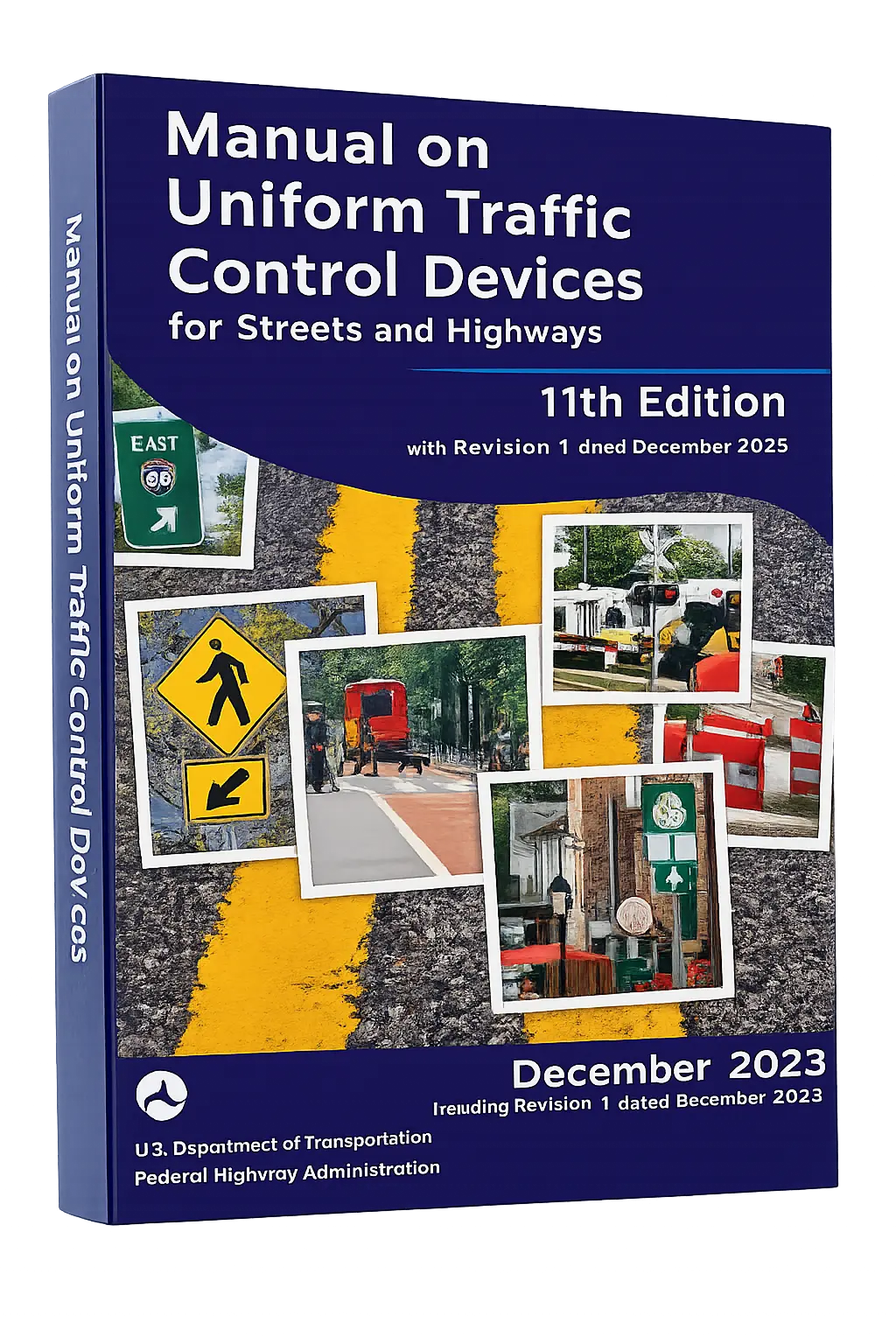
CasTech creates parking lot layouts and applies professional striping and traffic marking practices informed by the ADA, State and Local codes, and the Manual on Uniform Traffic Control Devices, the national standard for signs, pavement markings, and traffic control devices used on roads and public travel. For parking lots, we use these standards as a best-practice guide to support clear circulation, safer traffic flow, ADA-aware layouts, and professional, consistent markings.
MUTCD & ADA Compliant Applications
Consistent Line Widths & Durability
Proper Signage & Pavement Legends
High-Visibility Traffic Safety Solutions
We Follow
ADA & MUTCD
Americans with Disabilities Act and the Manual on Uniform Traffic Control Devices for Streets and Highways
How CasTech Plans and Performs Your Sealcoating Project
We assess whether sealcoating suits your pavement
CasTech evaluates the pavement before recommending sealcoating. Fading and weathering can prompt a review, but color alone does not determine the right treatment. Our team assesses potholes, broken areas, settlement, and drainage-related failures for parking lot asphalt repair first. A coating will not restore structural support or level a depression. Where deterioration is widespread, we explain whether asphalt paving or another rehabilitation approach would better suit the property.
Our proposal includes the preparation we will perform
CasTech’s proposal identifies the cleaning, treatment of contaminated areas, vegetation removal, and repairs included before coating. We specify the areas receiving spray seal or slurry seal, the material and application method, and any exclusions. Our crew prepares the surface for the selected system, and our team accounts for fresh asphalt, recent patches, and existing coatings when planning the work.
CasTech coordinates approved crack treatment and patching with the coating work. We plan the sequence and wait between treatments around the materials and site conditions. During the site review, tell us about persistent ponding or repeated patch failures so our team can assess those concerns before recommending surface work.
We phase the project around your busiest hours
CasTech develops a closure plan with your property team. For a retail center, that may mean separate storefront zones; for apartments or hotels, coordinated vehicle relocation; for medical properties, careful planning around patient, staff, and emergency access. You share operating hours and access needs, and we agree on delivery windows, pedestrian routes, parking arrangements, and how your team will notify tenants or visitors.
Our team plans the work around product requirements and weather, including a contingency for unsuitable conditions. Our crew monitors the treated areas and confirms when they are ready for traffic. We provide project-specific reopening instructions so your team knows when each section can return to use.
We explain the complete scope and finished result
CasTech’s quote separates coating quantities from repairs, crack treatment, traffic control, and replacement markings. We review the markings to be restored and any proposed layout changes with you before work begins. Our crew checks the finished work against the approved scope, giving you a clear basis for comparing proposals and understanding what is included.
Share the address, operating hours, target completion window, and photographs or a site plan if available. Previous maintenance dates, heavy delivery traffic, recurring stains, drainage concerns, and areas that need to remain open are helpful details. CasTech reviews the site and develops the quantities, preparation, and work sequence for the proposal.
CasTech examples of coordinated pavement maintenance
The Fort Walton Beach military technology campus recap describes sealcoating, crack treatment, asphalt repairs, and restriping across six parking lots ahead of a major event. The Pensacola medical complex project used 19 work zones for coordinated pavement rehabilitation. These are examples of how a coating project can be planned around an active facility’s needs.
FAQs
How often should I sealcoat my parking lot?
Most commercial parking lots benefit from sealcoating every 3 to 5 years, depending on traffic volume, sun exposure, drainage, salt air exposure, and pavement condition. High-traffic lots may need more frequent maintenance, while slurry seal may extend the protection window longer than standard spray seal.
What is the difference between spray seal and slurry seal?
Our spray seal is a liquid, asphalt emulsion applied to protect asphalt from UV rays, water, oil, and oxidation. Slurry seal includes sand in the mix, creating a thicker, more durable surface that is better suited for aging asphalt, heavier traffic, and longer-lasting protection.
Can sealcoating fix cracks and potholes?
Sealcoating helps protect asphalt, acting like tire tread that wears away instead of the asphalt, but does not repair structural damage by itself. We recommend crack sealing and pothole repair prior to sealcoating to ensure maximum asphalt life.
How long does it take to apply sealcoat?
Most projects can be completed efficiently, but timing depends on lot size, pavement condition, prep work, weather, traffic flow, and whether spray seal or slurry seal is selected. CasTech can phase work around your schedule to reduce disruption and keep access available whenever possible.
When can we use the lot after sealcoating?
Dried is not the same as cured! Cure time depends on the product used, weather, humidity, temperature, and traffic demands, but is typically around 24 hours. In many cases, areas can reopen after the coating has properly cured, but CasTech will provide project-specific guidance before the work begins so your team knows when the lot can safely return to use.
Will the sealcoating make the pavement slippery?
When properly applied and cured, sealcoating should not create an unsafe driving surface. Slurry seal includes sand for added texture, which can improve surface grip. CasTech evaluates pavement conditions, traffic needs, and site use to recommend the right option for safety, durability, and appearance.
Our Process
Simple. Clear. Reliable.
A streamlined process that keeps your project moving forward.
1.
Inspect & recommend
We evaluate your pavement and recommend the right sealcoat solution for your lot.
2.
Prepare surface
We clean, blow, and repair cracks to ensure proper sealant adhesion.
3.
Apply Sealcoat
We apply spray seal or slurry seal with precision equipment, minding curbs and fixtures.
4.
Curing & Protection
Sealcoat cures with UV and temperature to protect your asphalt from the elements.
5.
Final Inspection
We walk the site with you to ensure quality and your satisfaction.
Protect your pavement. Maximize your investment.
Get expert guidance on whether a spray seal or a slurry seal is the right fit for your lot, traffic levels, and long-term maintenance goals.
I’m A:
Find solutions
built for your role.