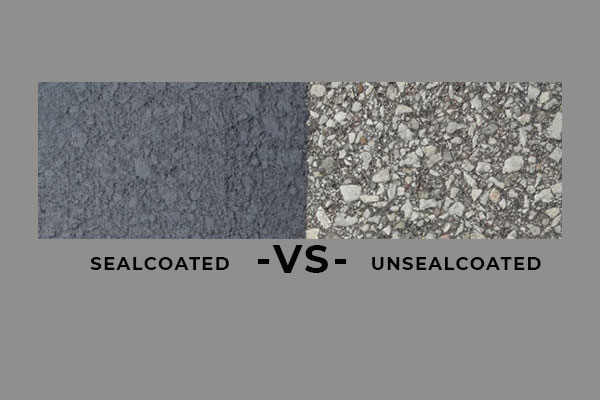
Why sealcoat your commercial pavement?
We help property owners choose sealcoating when the pavement is a good candidate for preservation. The starting point is the asphalt’s condition: a coating can protect and refresh a suitable surface, while failed areas need repair work first.
How sealcoat protects asphalt — the basic idea
Asphalt pavement is a combination of mineral aggregate and a petroleum‑based binder. Over time the binder oxidizes, becomes brittle, and loses its ability to hold aggregates together. Sealcoating creates a thin protective film that:
- Shields the binder from ultraviolet light and oxygen, slowing oxidation
- Repels water and reduces moisture intrusion into surface layers
- Resists common petroleum spills (oil, gasoline) that soften and dissolve asphalt binder
- Refreshes appearance and makes striping more visible after application
Common sealcoat types and what to consider
Commercial sealcoating systems include coal-tar-based and asphalt-based emulsions with different performance characteristics and regulatory considerations. We recommend the product for your project based on pavement condition, site needs, and applicable restrictions.
- Coal‑tar emulsions: Historically popular for excellent chemical resistance and UV stability. In some jurisdictions their use is restricted; check local regulations.
- Asphalt emulsions: Generally offer good adhesion and environmental profiles. Modern formulations can provide strong protection when properly applied.
Other additives and fillers (sand for traction, polymer modifiers for flexibility) can be included to meet specific performance or safety requirements.
When to sealcoat — timing and frequency
Timing affects effectiveness. Sealcoating won’t fix structural failures, but when used as a preventive step it extends pavement life:
- First application: Best applied within the first 12–36 months after new asphalt has cured, depending on traffic and climate.
- Reapplication interval: Typically every 2–4 years for commercial lots, but adjust based on traffic, climate, and inspection findings.
- Don’t seal over major distress: If there’s alligator cracking, extensive raveling, or structural failure, repair or overlay first and then include sealcoating in the maintenance plan.
How we prepare and apply sealcoating
- Surface preparation: Our crew removes dirt, vegetation, and loose aggregate, and completes approved pothole and crack repairs before sealing.
- Weather: We schedule application around the manufacturer’s temperature and weather requirements.
- Coverage and thickness: Our crew follows the specified product coverage rates and application method.
- Traffic control: Our team keeps work areas closed for the required curing period and tells your property team when traffic can return.
When sealcoating is not the right solution
- Structural damage: Extensive cracking, base failure, or deep rutting require repair or overlay.
- Severe raveling: If aggregates are loosening across large areas, structural rehabilitation will be necessary before a topical seal is effective.
- Pavement age and thinness: Very thin pavements or ones with exhausted binder may need a mill and overlay instead of sealcoating.
Cost‑effectiveness: How sealcoat saves money
Sealcoating is a preventive investment. By slowing oxidation and chemical damage and by keeping water out of surface layers, owners can defer expensive overlays or full‑depth reconstruction. When combined with regular crack sealing and a simple inspection schedule, sealcoating is one of the most economical pavement preservation steps.
Quick inspection checklist for decision making
- Surface color: Has the black color faded to gray or brown?
- Cracking: Are cracks hairline only, or are there longer interconnected cracks?
- Raveling: Is aggregate loosening at the surface?
- Drainage: Are low spots collecting water?
- Oil & stains: Are there frequent petroleum stains that may require pretreatment?
If most answers indicate light surface wear and isolated defects, sealcoating combined with targeted crack repair is likely appropriate. If structural issues or widespread raveling are present, request a professional assessment.
Let’s plan the right treatment for your lot
We’ll review the pavement, discuss repair needs, and explain the coating options that fit the property. Our proposal brings preparation, application, access arrangements, and reopening instructions into one work plan.
Contact our team or call (850) 860-0014 to discuss your location and priorities. We’ll arrange the appropriate next step for an assessment before recommending the work.